I have a confession: I love playing the hero. Give me a sword, a gun, a portal gun, or a giant robot, and I will charge toward the problem with the confidence of someone who has never read a tragedy. But some of my favorite games have taught me a brutal lesson: saving the day is not always the same as making things better. Have you ever finished a mission feeling proud, only to watch the story reveal that you just made everything worse? That is the uncomfortable magic of heroic acts that backfire. In 2026, with sequels, remasters, and endless discourse keeping these stories alive, the lesson still lands. 🎮
Dragon's Dogma 2: The Dragon Is Load-Bearing
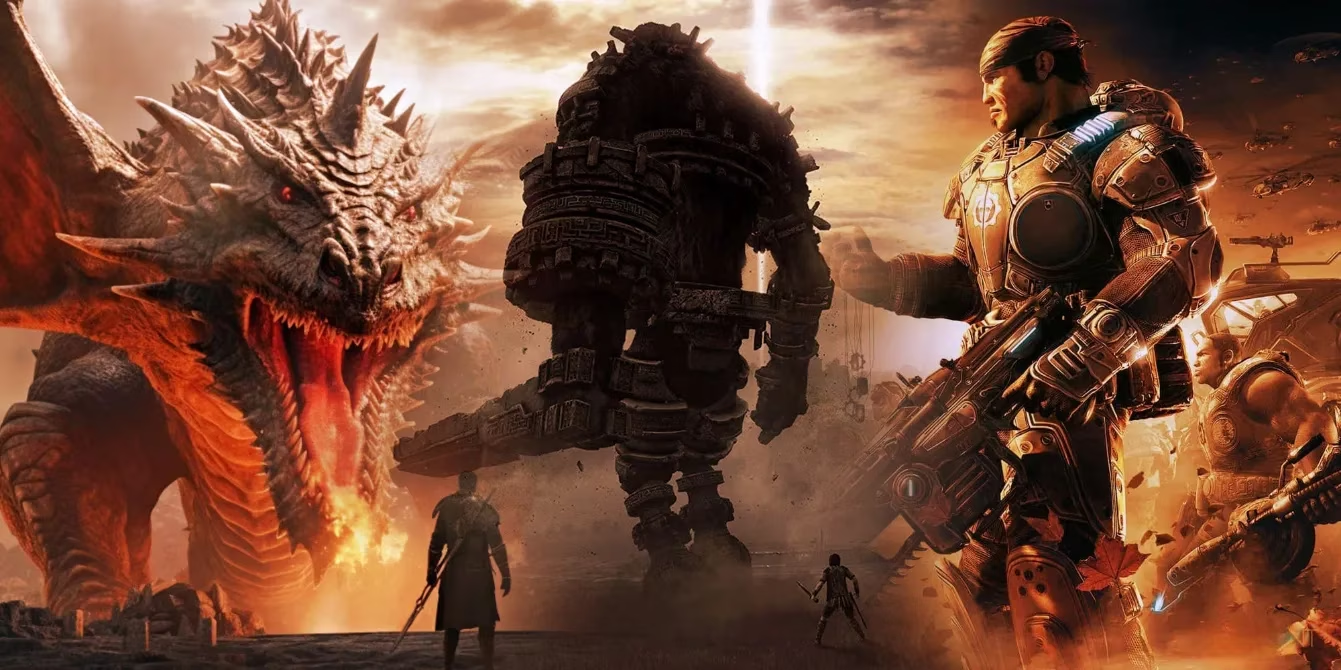
Dragon's Dogma 2 looks simple at first: a dragon threatens the world, and the Arisen is destined to slay it. Classic hero stuff, right? But the game gets stranger when you chase the secret true ending. The world exists in cycles where dragons and Arisen keep appearing, and the hero can try to break that cycle by ending themselves. It sounds noble. It sounds like freedom. Instead, it destroys the world. The game reveals that dragons emerging now and then is actually necessary for the world to keep going. So the ultimate heroic act, breaking the cycle, is also the ultimate act of destruction. I love that twist because it asks a great question: what if the monster you are supposed to kill is part of the machine keeping everyone alive? 🐉
Call of Duty: Modern Warfare: The Martyr Problem
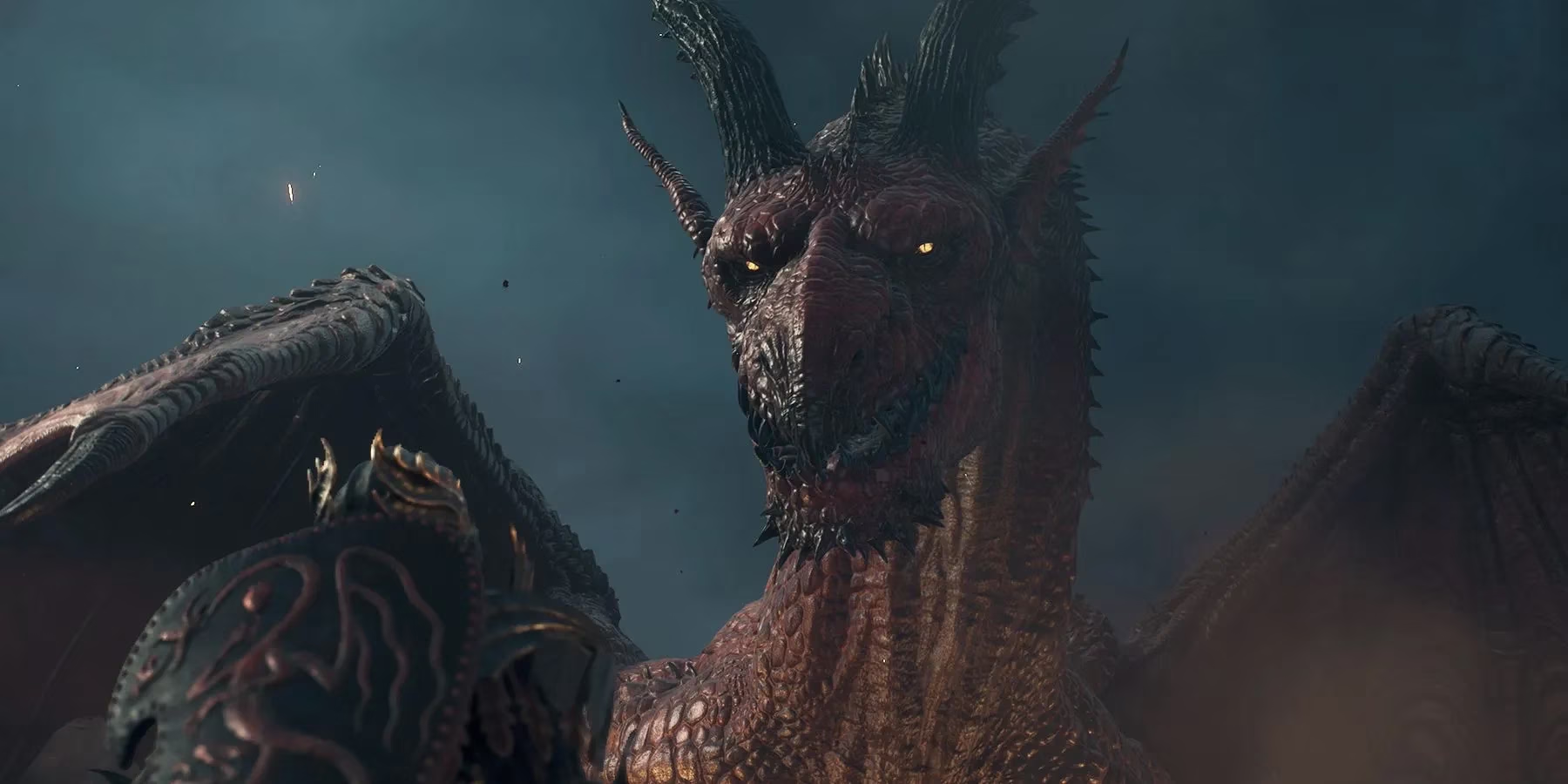
The original Modern Warfare builds toward killing Imran Zakhaev, and honestly, it feels cathartic. Soap has watched friends die, a marine division has been lost, and a nuclear strike has been barely prevented. Taking Zakhaev down feels like justice. But then Modern Warfare 2 arrives and reveals the horrible truth: killing Zakhaev turned him into a martyr and cleared space for Vladimir Makarov to take over and start an even bigger war. Soap himself reflects on how victory got turned around on them. That is the classic backfire pattern: you remove one villain, and you accidentally promote a worse one. Did Soap win, or did he just open a door? 💥
Half-Life: The Resonance Cascade Gets Worse
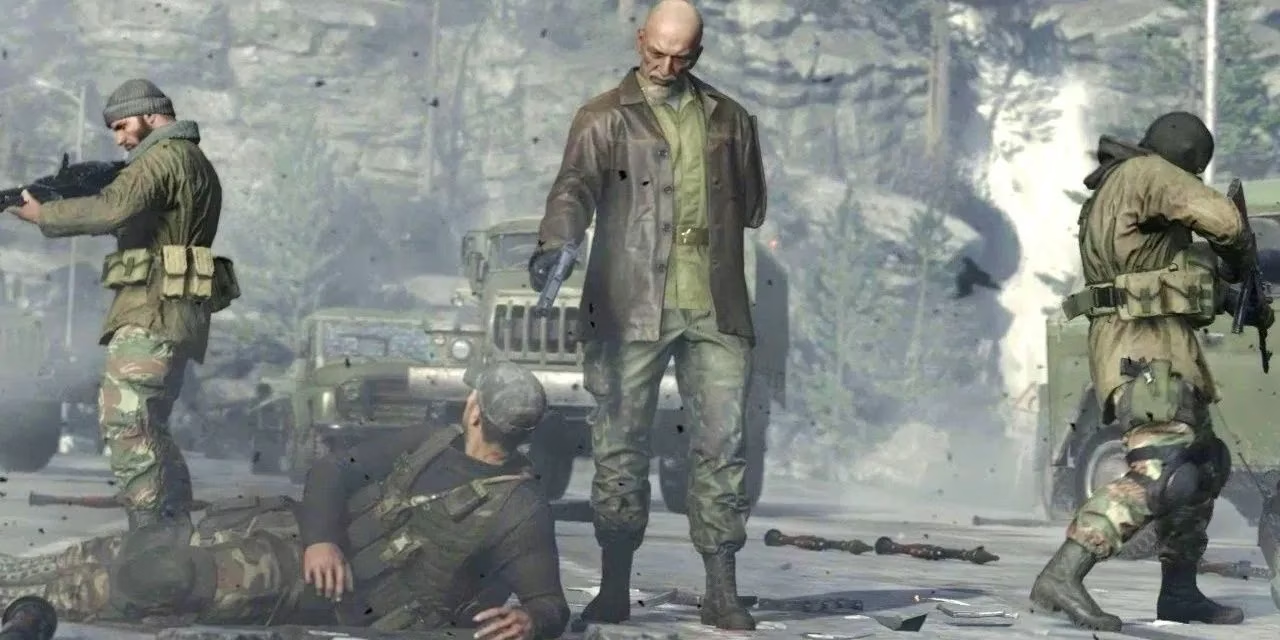
Half-Life is built on a disaster, and Gordon Freeman spends the whole game trying to fix it. He fights through Black Mesa, reaches Xen, and kills the Nihilanth, the alien mastermind behind the infestation. It feels like a hero moment. Unfortunately, killing the Nihilanth makes the Resonance Cascade worse. Portal storms tear across the world, causing more carnage, and the chaos draws the attention of the Combine Empire. The Combine invade and conquer Earth in seven hours, turning it into a dystopia by Half-Life 2. Gordon did not know, and maybe G-Man planned it that way. Was Gordon a hero, or a very effective tool? That question still haunts the series. 👓
Gears of War: Every Victory Builds a Bigger War
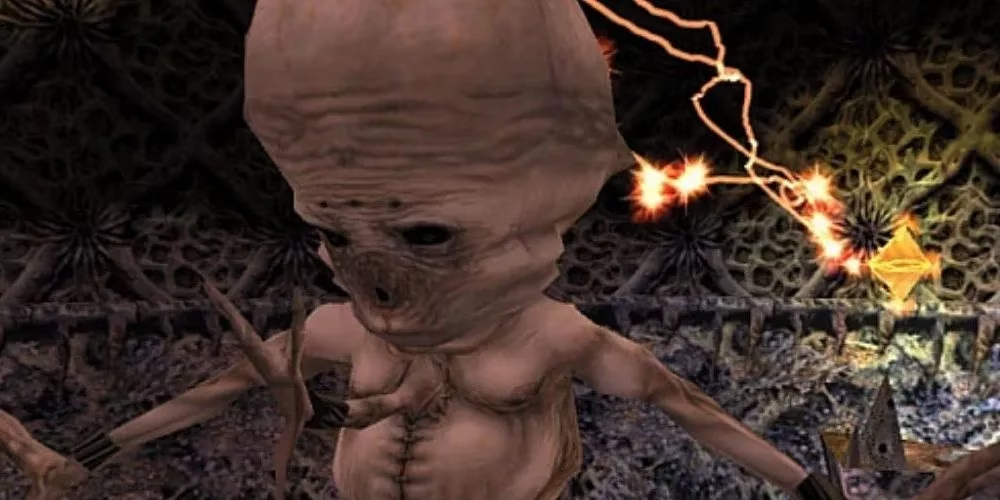
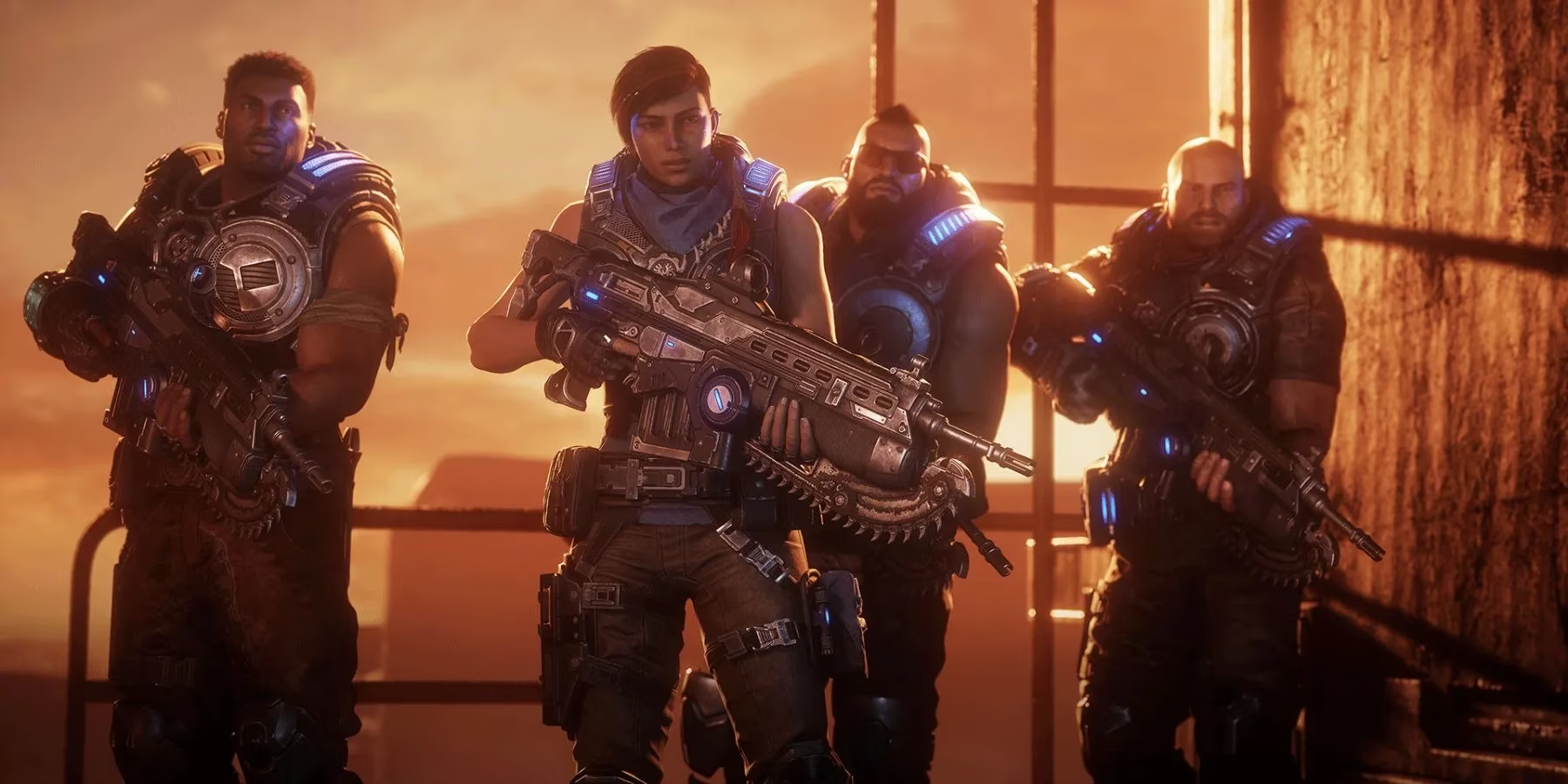
Gears of War has a cynical view of human violence, and it shows. Delta Squad detonates a lightmass bomb to wipe out Locust tunnels, which sounds like a win. By Gears of War 2, we learn the bomb awakened a giant Riftworm, caused a rustlung epidemic by releasing imulsion, and set up even more environmental consequences when Jacinto sank. Even defeating the Locust in Gears of War 3 does not end things, because they return as an even bigger horde later. No matter how many victories Delta Squad earns, those wins seem to build the next war. Is that heroism, or just maintenance on a machine of violence? ⚙️
Portal 2: Never Give the Idiot Core the Keys
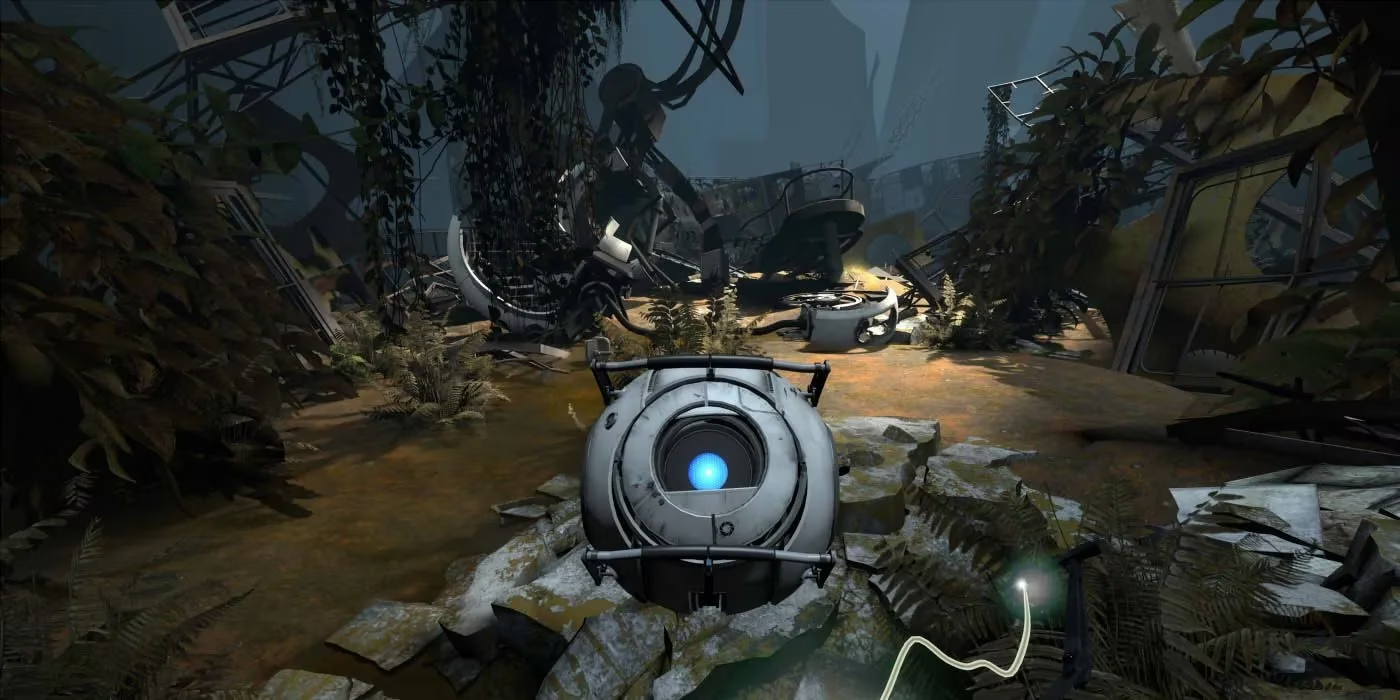
Portal 2 offers what looks like an obvious solution. GLaDOS is a psychotic murder computer, and Wheatley is a friendly personality core who wants to help. Swap out the monster, install the friend, save the day. What could go wrong? Everything. Wheatley is basically designed to be the world's biggest idiot, and giving him control backfires immediately. He sends Chell into the depths of Aperture instead of freeing her, and his poor management nearly causes a nuclear meltdown. The only way to stop it is to reinstate GLaDOS. That is such a funny and cruel twist: sometimes the competent monster is safer than the friendly fool. Would you rather have a hostile expert or a cheerful disaster at the controls? 🔧
Shadow of the Colossus: Love Can Be a Catastrophe
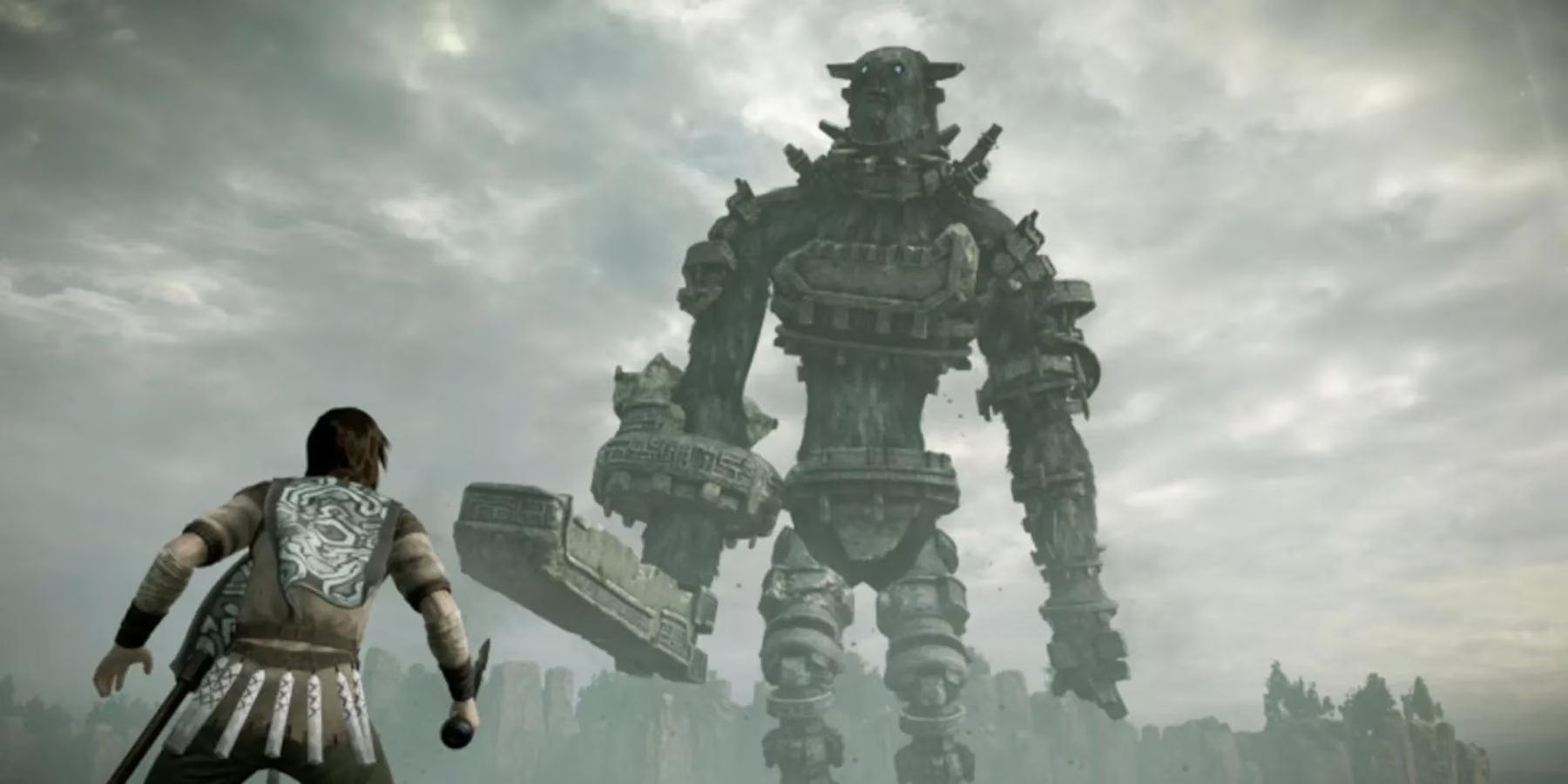
Shadow of the Colossus gives Wander a sympathetic goal: revive a woman he cares about. But the lengths he goes to are horrifying. He hunts and kills giant colossi, many of whom are just minding their own business and would clearly prefer to be left alone. Wander is punished for his actions, his appearance changes, and he does not even live to see his girlfriend revived. There is also the ominous implication that she may have had a cursed child. So his heroic quest may have cost everything and made things worse for the person he was trying to save. Is love enough to justify a rampage? The game quietly says no. 🗡️
Spec Ops: The Line: Do You Feel Like a Hero Yet?
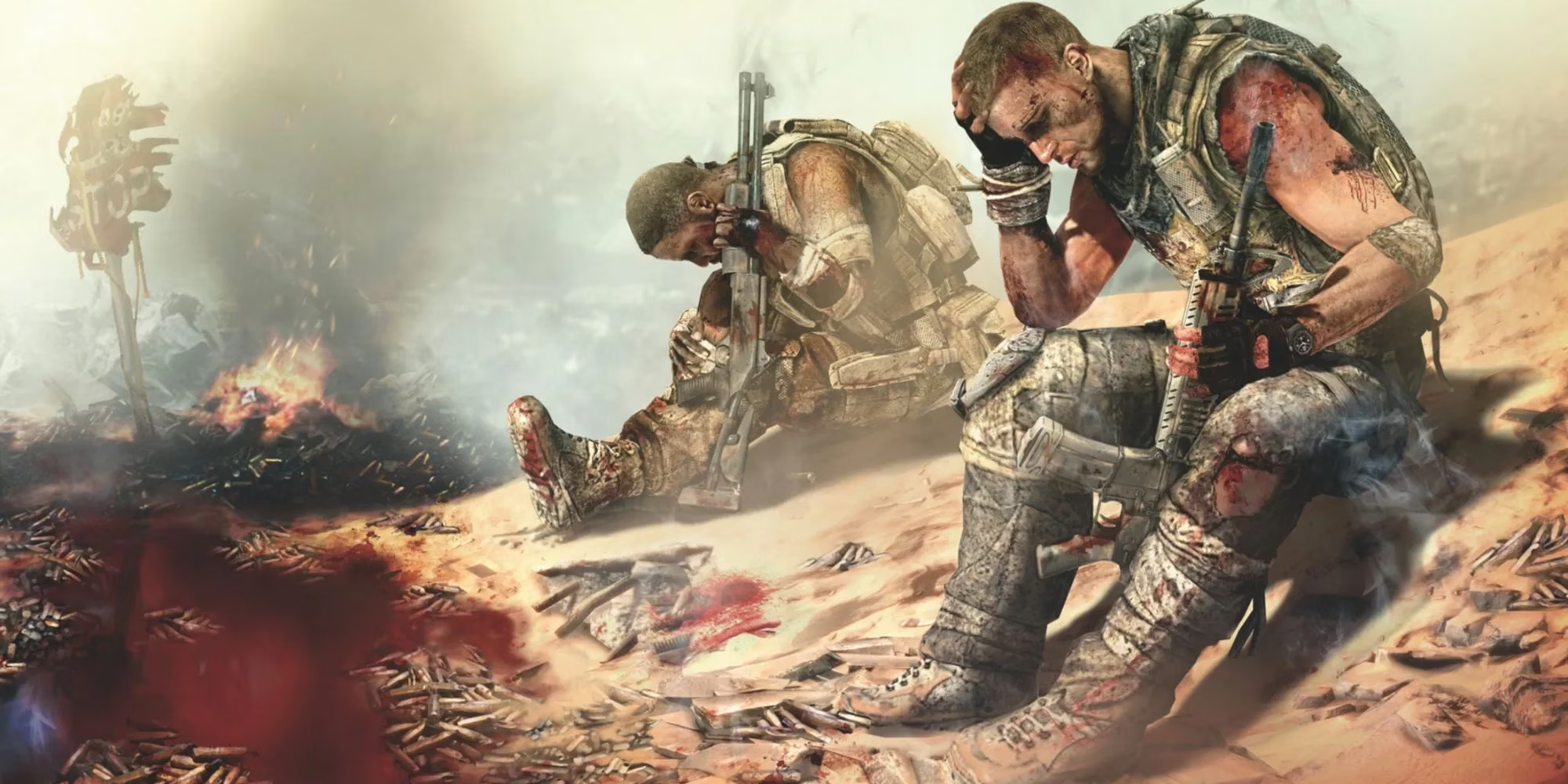
Spec Ops: The Line is basically one long nightmare caused by backfired heroism. Martin Walker starts with a rescue mission and ends up causing a bloodbath. His journey through Dubai is a chain of failed attempts, and the game loves to offer a chance to do something good only to reveal that he just made things worse. The white phosphorus scene is infamous, and the destruction of the water supply is another gut punch. The loading screens even call out the player with lines like, if you were a good person, you would not be here. In 2026, that criticism still feels sharp. Do you feel like a hero yet? 🎖️
| Game | Heroic act | Backfire |
|---|---|---|
| Dragon's Dogma 2 | Break the dragon cycle | The world is destroyed |
| Modern Warfare | Kill Zakhaev | Makarov rises and starts a bigger war |
| Half-Life | Kill the Nihilanth | Portal storms and the Combine invasion |
| Gears of War | Bomb the Locust tunnels | Riftworm, rustlung, and endless war |
| Portal 2 | Replace GLaDOS with Wheatley | Near meltdown and GLaDOS's return |
| Shadow of the Colossus | Kill colossi to revive a loved one | Punishment, loss, and a cursed implication |
| Spec Ops: The Line | Attempt a rescue | A bloodbath and endless guilt |
So what is the takeaway for me as a player? I think these games are not saying that heroism is bad. They are saying that heroism without information, humility, and foresight is dangerous. A good intention is not a plan. A victory is not always a solution. Sometimes the right move is to ask what happens after the credits roll, or to admit that I do not understand the system I am trying to fix. Next time I charge in to save the day, I should ask myself: am I solving the problem, or making room for a worse one? That is the uncomfortable brilliance of these games. They let me feel heroic, then ask me to live with the bill. 😅