When a group of adventurers gathers every blacksmith, shopkeeper, and armorer in the land, stocks up on Wakestones, and sleeps in a conveniently placed bed to heal fully, what do they expect? A battle for the ages, of course. That is exactly what Dragon's Dogma 2 seemed to promise its players as they stepped into a glowing light near the end of the game. But according to a wave of frustrated fans, what they received instead was an interactive cutscene — and the credits rolled before any real fight could begin. The disappointment has become one of the most discussed sticking points in Capcom's ambitious open-world RPG, even years after its release.
The story begins with the game's clever twist. Players who reach the first apparent finale are plunged into chaos: a purple cloud of doom spreads across the world, and the Arisen must evacuate citizens while hunting down monstrous creatures responsible for the impending apocalypse. It is a bold subversion of expectations, one that transforms the map and the stakes in ways few RPGs dare. Eventually, the path leads to a final confrontation with the true villain. To prepare, the game conveniently gathers every merchant and artisan into one spot, offers a bed for a full heal, and provides access to every resource a player could need. The message is clear: get ready for something huge.
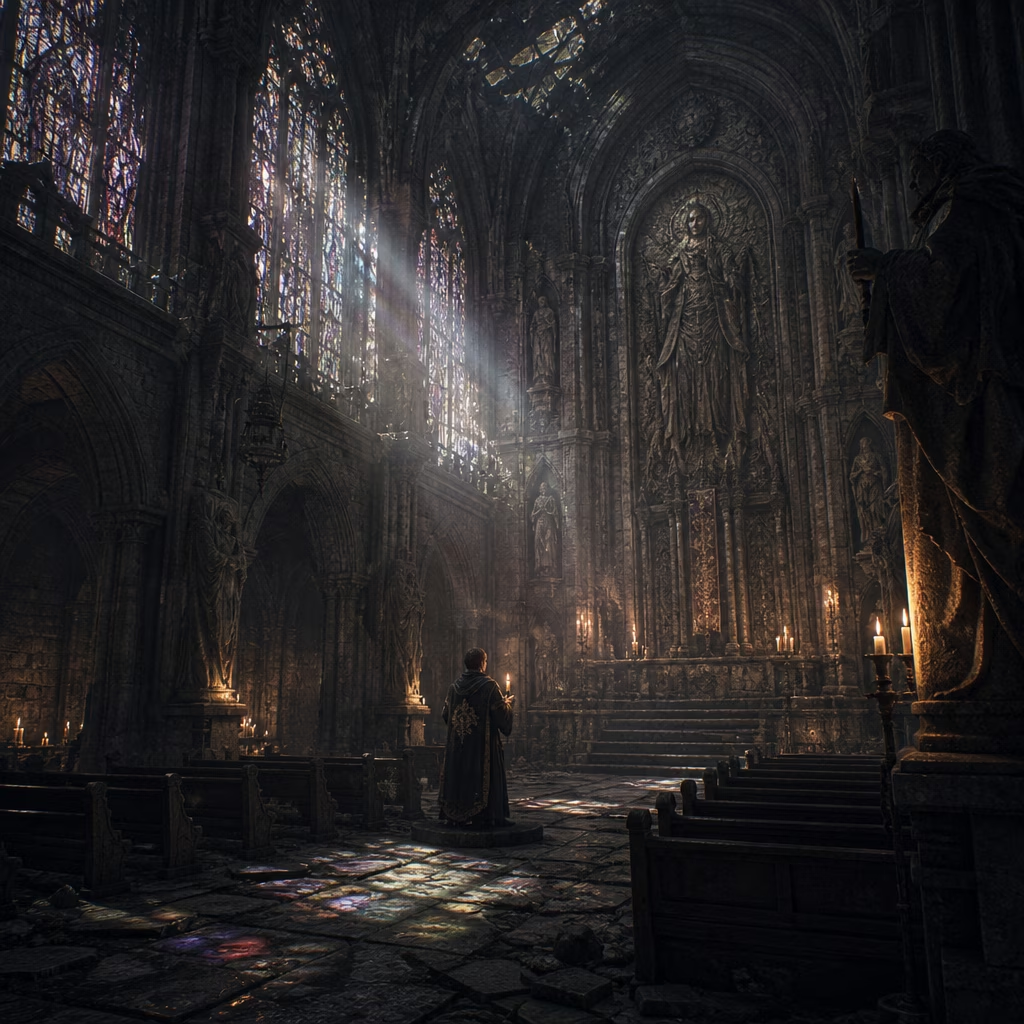
So why did so many players walk away feeling cheated? The answer lies in the gap between expectation and execution. Reddit user SbeveGobs first pointed out the strange setup, and others quickly chimed in. One user, Thecodenamedois, called the resulting sequence the game's "greatest sin." Another described it as "embarrassing" and "bizarre." Players reported spending up to an hour crafting armor, collecting Wakestones, and fine-tuning their pawns — only to be treated to what felt like a non-interactive cinematic. The credits rolled, and the climactic battle they had braced for never arrived.
Is it fair to call a game's ending a sin? Perhaps not literally, but the frustration is understandable. Dragon's Dogma 2 had been praised for its systemic depth, its unpredictable pawns, and its willingness to let players fail. The finale, by contrast, felt scripted and hollow to many. A table of common complaints from the community illustrates the pattern:
| Complaint | What Players Expected | What They Got |
|---|---|---|
| Preparation | A reason to gather gear and allies | A sequence that ignored most preparations |
| Challenge | A tough, multi-phase boss fight | An interactive cutscene with minimal agency |
| Payoff | Closure for hours of exploration | Abrupt credits and a feeling of wasted time |
Of course, not every player agrees. Some argue that the true ending — the one reached by deliberately losing or by following a hidden path — offers a more satisfying conclusion. But even those defenders admit that the game's final stretch sends mixed signals. Why give players a bed, a shop, and a glowing portal if the ensuing encounter requires none of it? The design feels like a leftover from an earlier version, or perhaps a deliberate subversion that missed its mark.
In the years since launch, the conversation has shifted from outrage to weary acceptance. New players still stumble into the same trap, and veterans warn them with a now-familiar refrain: don't spend an hour preparing for the final fight. Just jump in when you're ready. It is advice born from collective disappointment, a small act of kindness in a game that otherwise revels in mystery and hardship.
So what can we learn from this tale? Perhaps that player expectations are a fragile thing. Dragon's Dogma 2 built its reputation on freedom and consequence, but its finale forgot to give players a meaningful consequence of their own. Instead, it handed them a script and called it a battle. For a game that once made players feel like architects of their own adventure, that is a strange note to end on. And yet, the controversy itself has become part of the game's legacy — a reminder that even the most ambitious worlds can stumble at the final threshold. Will future patches or a sequel fix the misstep? Only time will tell. For now, the Arisen's greatest enemy may not be a dragon, but a cutscene that arrived too soon.
Industry analysis is available through Statista - Video Games, where broader market data helps explain why ending design matters so much in major RPG releases: when players invest dozens of hours into exploration, gearing, and party-building, they naturally expect a finale that validates that commitment. In the case of Dragon's Dogma 2, the backlash described by fans reflects a wider truth about modern game reception, where the final encounter often shapes long-term sentiment just as strongly as the systems and world that came before it.