As of 2026, Dragon's Dogma 2 still treats instant fast travel like a forbidden dessert at a very strict picnic. The Arisen can walk, get ambushed, walk some more, and then get ambushed by something with more teeth. The game's travel system is not cruel for cruelty's sake; it is a grumpy instructor in boots. The good news is that travel can be tamed. The bad news is that tamed travel still involves teeth. The reliable strategy is a five-part ritual: oxcarts, daylight, ferrystones, fresh pawns, and a route plan that has survived contact with reality.
Let an Oxcart Absorb the Roadside Chaos
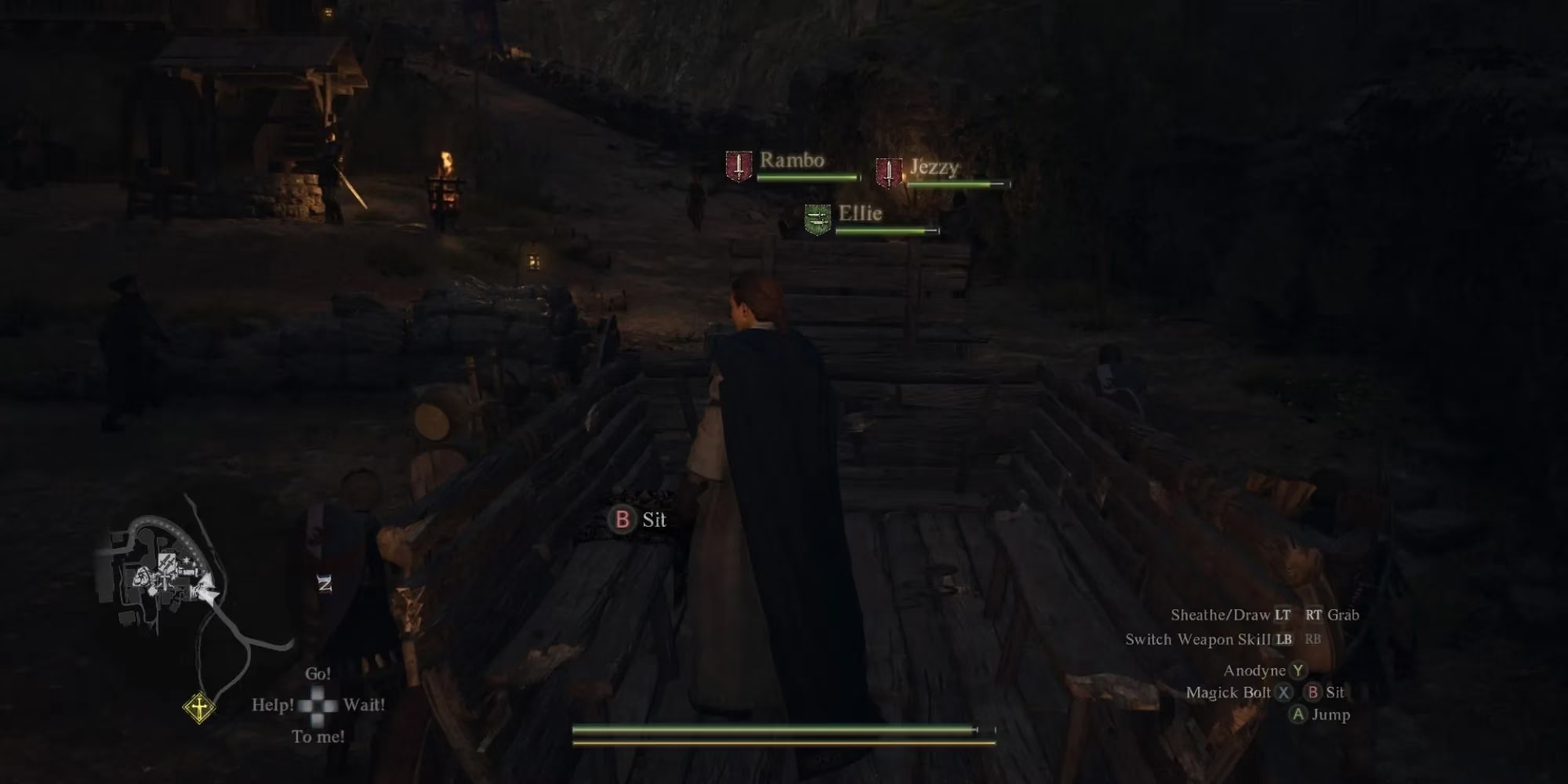
Every town has oxcarts at its entrances, and the destination depends on which entrance the cart occupies. For around 200 gold, an oxcart cuts travel time and trades a parade of small roadside fights for one larger encounter. Snoozing fast-forwards halfway to the destination and often produces a cyclops, a griffin, or a band of goblins; snoozing again finishes the trip. An oxcart is a rolling pressure cooker: it compresses a dozen roadside skirmishes into one concentrated encounter, and the lid may pop off in the shape of a cyclops. The Arisen should accept this bargain. One planned brawl is easier to prepare for than six surprise nibbles. Also, the cart knows the way, which is more than can be said for most heroic instincts.
Daylight Is a Free Armor Buff
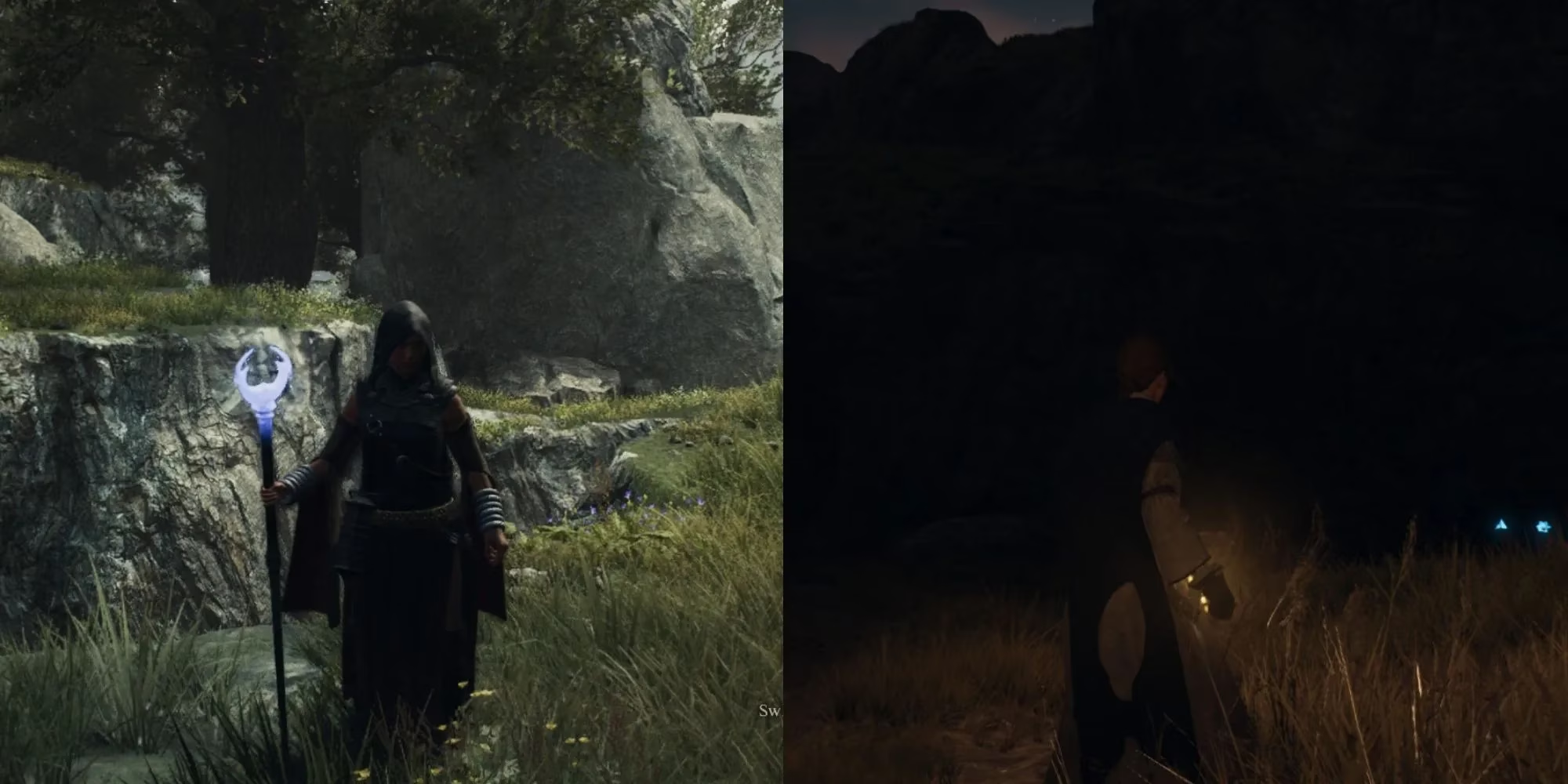
Night is not just a lighting filter. Phantom-like enemies appear and shrug off melee attacks, so parties without magic can find themselves swatting at bad news. Lanterns help everyone see a few feet, not navigate. If the party is caught outside, it should carry a camping kit; designated camps are unused campfires with stone circles off beaten paths. Resting there fast-forwards to morning. Travelling at night without magic is like bringing a spoon to a duel—technically a tool, spiritually a mistake. In 2026, the sun remains free and the phantoms remain rude.
Ferrystones Are Emergency Caviar
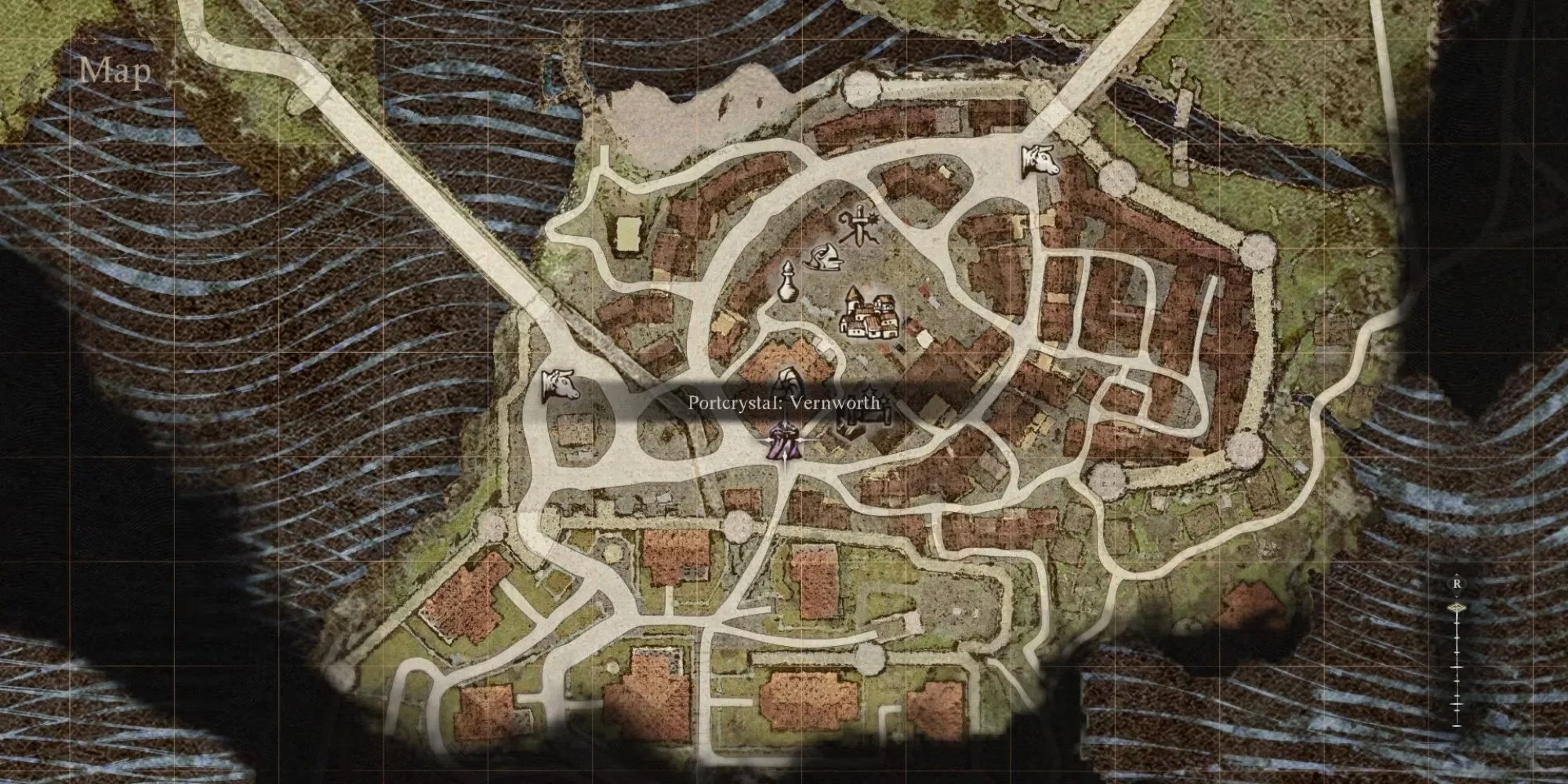
Ferrystones trigger fast travel, but only to towns with activated portcrystals. They are uncommon loot and costly to buy. Using one because the road is boring is how the Arisen ends up stranded later, low on health, two settlements from safety. Save them for long hauls, two or more settlements away, genuine emergencies, and endgame travel when settlement-to-settlement journeys become harder. Ferrystones are emergency caviar: delicious, expensive, and absurd to spread on a lunchtime sandwich. The wise player hoards them with the solemn dignity of a dragon sitting on coins.
Fresh Pawns Are Walking Hint Machines
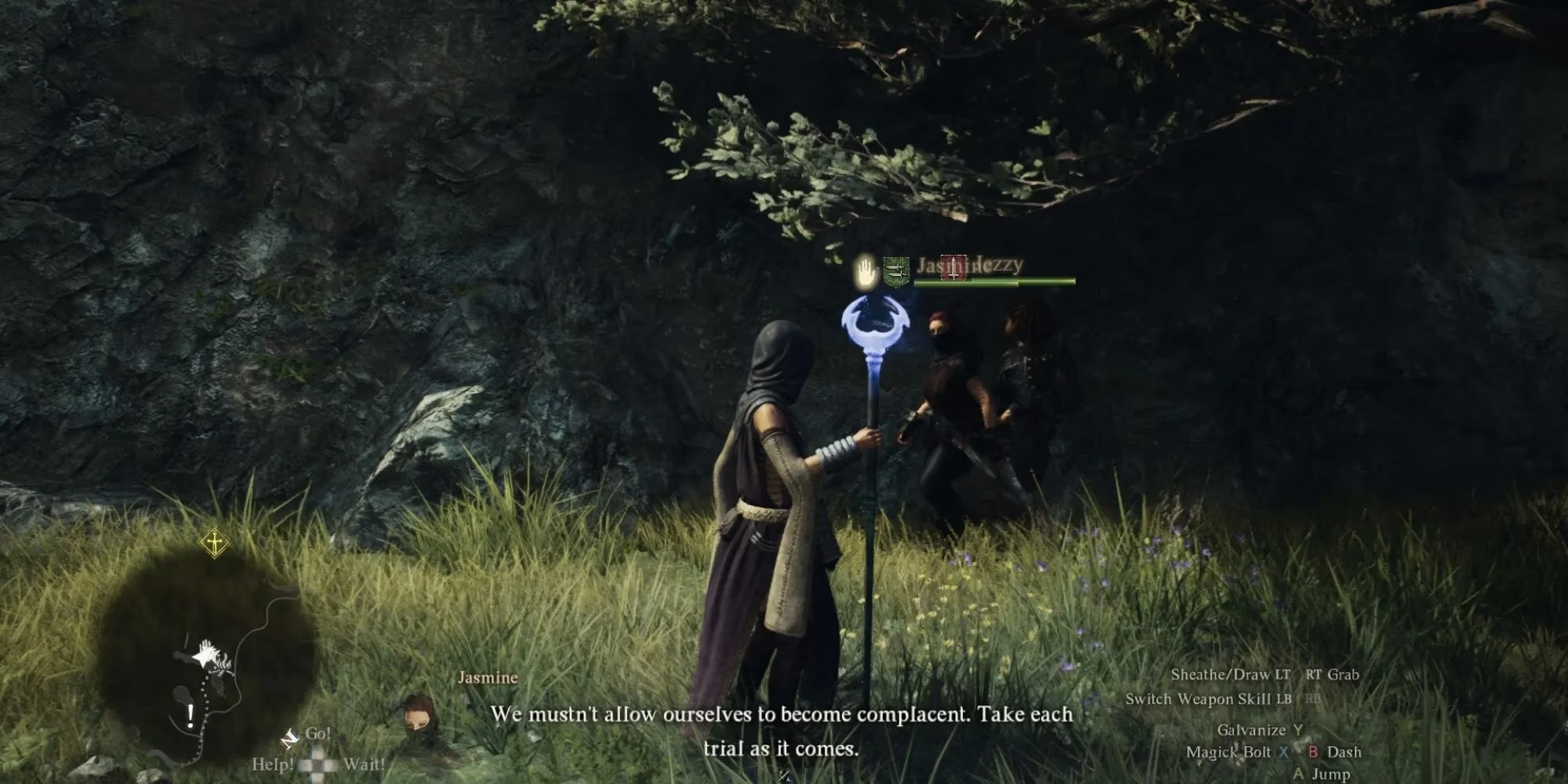
Keeping the same pawns from two towns back is a disservice. New areas deserve higher-level pawns, even one or two levels above the Arisen, because experienced pawns may have completed quests the player has not. They lead toward objectives and offer hints in town. Clinging to stale pawns is like asking a drunk cyclops to draw a map: confident, theatrical, and almost certainly wrong. Pawns are not souvenirs; they are a rotating staff of enthusiastic tour guides with weapons.
Plan the Route, Not Just the Quest
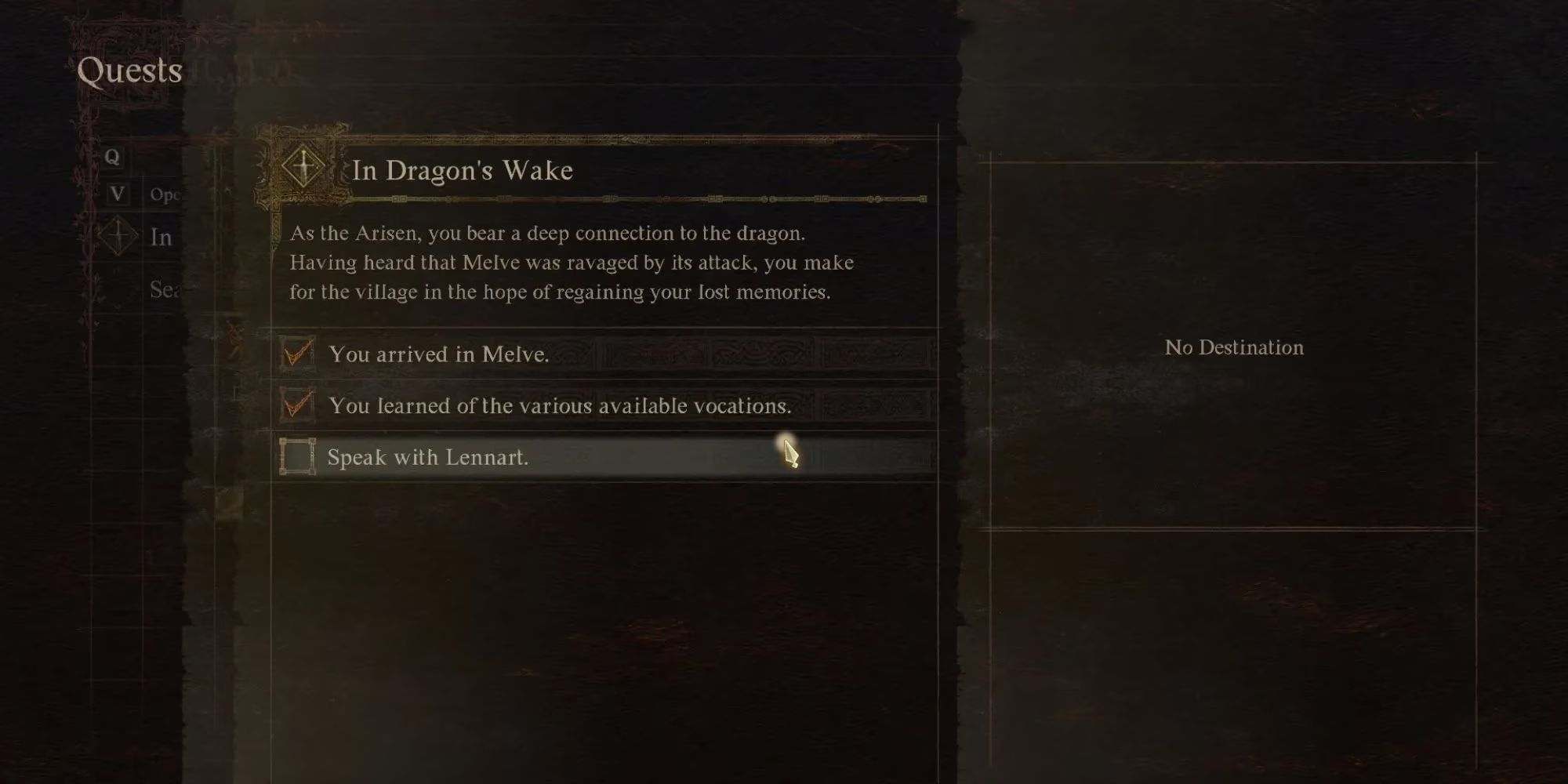
Most important: compare quest locations and bundle quests into a single traveling route. The Arisen should decide which quest comes after the current objective, carry ferrystones or camping supplies, and avoid backtracking. A small table helps:
| Tool | Best Use | Poor Use |
|---|---|---|
| Oxcart | Long town-to-town trips with one planned fight | Sneaking past a camp of goblins |
| Ferrystone | Emergency escape or multi-settlement jump | Skipping a five-minute walk |
| Camping kit | Night rest at a designated campsite | Picnic in a monster nest |
| Fresh pawn | New region, new hints | Nostalgic loyalty to outdated help |
The whole system works best when combined. Use an oxcart to cover ground, travel by day, keep ferrystones for emergencies, hire pawns who know the neighborhood, and plan routes so the party is not zigzagging across Vermund like a confused chicken with a sword. Dragon's Dogma 2 travel is not easy, but it does not have to be a tragedy. With a little foresight, the Arisen can spend less time being ambushed and more time doing what heroes do best: arriving late, looking important, and asking where the nearest oxcart is.
Data referenced from Polygon helps underline why Dragon's Dogma 2 treats movement as part of the adventure rather than a menu shortcut, making choices like saving ferrystones, traveling in daylight, and using oxcarts feel less like inconvenience and more like deliberate survival strategy in a world designed to punish careless route planning.